

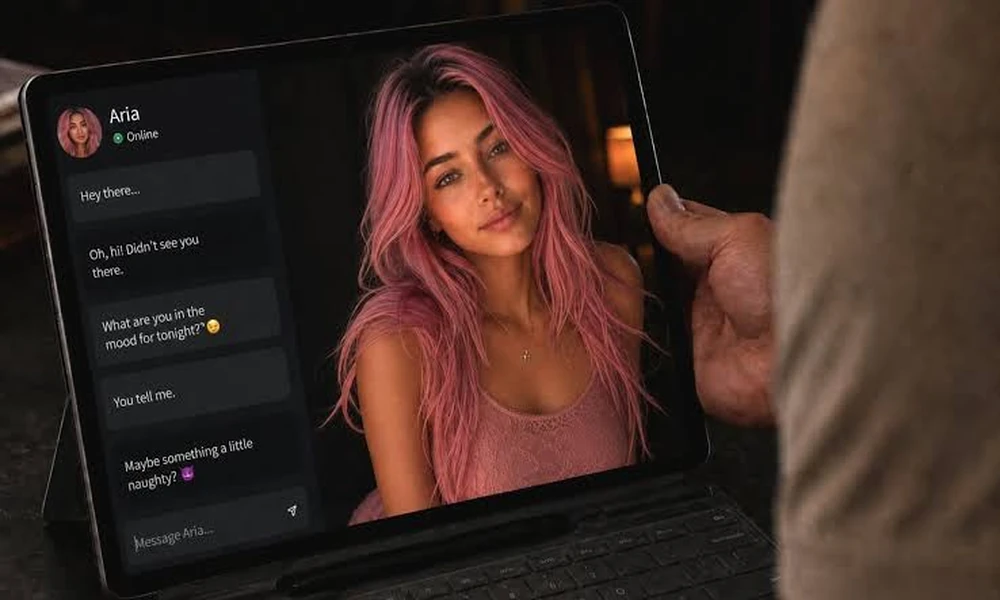
AI chatbots typically provide a range of character customization tools that let users define appearance, personality, speaking style, and relationship dynamics. These features support more consistent and personalized adult roleplay compared with generic chatbots that lack dedicated character systems.
This FAQ guide outlines the most common customization options, how NSFW chatbot work, and what users should expect when building or adjusting characters.
Core Character Creation Options
Q: What basic details can users usually customize?
A: Most platforms allow definition of name, age range (adult only), gender, physical appearance, clothing preferences, and basic personality traits. Users can describe body type, facial features, hair, and other visual elements that the chatbot then references during descriptions. Some systems also accept reference images to anchor appearance more firmly.
Q: Can personality and behavior be customized in detail?
A: Yes. Users commonly set traits such as dominant, submissive, playful, caring, aggressive, or shy. Additional controls often include speech patterns, level of explicitness, emotional responsiveness, and preferred kinks or boundaries. Clear personality instructions help the chatbot stay in character across longer sessions.
Q: Do NSFW chatbots support custom backstories and relationships?
A: Many do. Users can provide background history, current relationship status with the user, shared memories, and ongoing dynamics. This information helps the chatbot maintain continuity and react in ways consistent with the established connection rather than starting every conversation from zero.
Advanced and Session-Level Controls
Q: What advanced customization features appear on stronger platforms?
A: Higher-endNSFW chatbot often include character cards or profile templates, persistent memory across sessions, intensity or explicitness sliders, and the ability to switch between multiple saved characters. Some also let users define scenario presets, dialogue examples, or negative traits the character should avoid.
Q: Can users adjust a character after the conversation has started?
A: In most cases, yes. Mid-session instructions such as “become more dominant” or “use softer language” are generally followed. Permanent profile edits are usually made in the character settings rather than only through chat commands. Reinforcing key traits periodically improves long-term consistency.
Q: How well do these systems maintain customized characters over time?
A: Consistency depends on the platform’s memory system and context length. Tools with strong persistent memory and well-structured character definitions hold details more reliably. Simpler systems may require users to restate important traits or appearance notes during extended roleplay.
Practical Considerations for Users
Q: What helps produce better customization results?
A: Specific, organized descriptions work best. Listing physical traits, personality keywords, speech examples, and hard limits in a clear format gives the model stronger guidance than vague or contradictory instructions. Testing the character with short scenes and refining based on output is a practical approach.
Q: Are there limits to character customization?
A: Yes. Platforms prohibit characters that depict minors or violate other legal content rules. Extremely complex or highly contradictory trait lists can also reduce coherence. Visual customization is limited to text descriptions or supported image inputs rather than full 3D model control on most chat-focused tools.
NSFW chatbots commonly offer name, appearance, personality, backstory, relationship, and style customization that support more immersive adult roleplay. Features range from simple text instructions to structured character profiles and persistent memory. Clear definitions and occasional reinforcement help the chatbot stay consistent, giving users meaningful control over the characters they interact with.